





Aero-News Caught Up With EAA Boss In Lakeland To Talk Affordable Flying
Jack Pelton, CEO of the Experimental Aviation Association (EAA), discussed the future growth of general aviation and the need for balance between affordability, innovation, and regulatory reform in an interview with Aero-News.
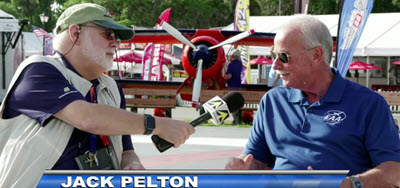
Pelton points out that only half of the Federal Aviation Administration’s (FAA) MOSAIC rule was done last year and that this July they would get into the details. MOSAIC, which stands for Modernization of Special Airworthiness Certification, is the result of collaboration between the FAA and industry organizations, and will expand access to general aviation and modernize how light-sport aircraft are defined and certified.
Pelton said certification is “really the meat of it,” warning that without a workable approval pathway, MOSAIC’s promised benefits may not materialize. He said it could be done if other pieces of regulatory work do not get in the way.
“Because if you don’t get the certification piece right, then none of this is going to work the way it’s intended. You’ve got to have a process that allows these airplanes to get into the marketplace. If we get this right, that’s where you’re going to see innovation really explode—in that light end of the market. “And if that process is too cumbersome or takes too long, then you’re not going to see the benefits—whether that’s in training, affordability, or access,” Pelton said. “So, while MOSAIC is a big opportunity, it really comes down to how certification is handled.”
He said there is still a lot of confusion around it and understanding the nuances of it – how it affects third class versus basic med versus driver’s license. Pelton noted that even under MOSAIC, pilots “still have to demonstrate proficiency” and “still have to pass a check ride.” He said that pilots can feel free to call the EAA, where they will help answer questions. He expects new start-up companies to need a lot of help and hand-holding.

The mission now is really to “educate, educate and educate,” Pelton said. He used the example of the Cessna 162 Skycatcher, a two-seat, single-engine light-sport aircraft (LSA) produced between 2009 and 2013, designed for flight training and personal use. He said it was “a great product and great plane but so limited in what it could do under the LSA rules. Maybe innovators can make a plane that is more utilitarian without the cost – maybe hit that sweet spot.”
He also pointed out how the cost of traditional engines in the supply chain have slowed the ability to get more light-sport aircraft going. He said new engines like DeltaHawk have potential to help that issue; the goal is to get things more affordable.
Homebuilding is not suffering from MOSAIC, Pelton noted; it is suffering from the supply-chain cost of engines and avionics. What innovators are doing are “some of the things that can start chipping away at getting this thing back down to what is more affordable. “We are lowering the hurdles from a regulatory standpoint,t and now if we can use regulatory to support that innovation, I think it’s going to be a home run for recreational aviation.”
FMI: www.youtube.com/live/aEmN0o4TH2Q